
Rare & Collectible Whisky Guide: How to Start Collecting
Understanding Collectible Whisky: What Makes a Bottle Valuable?
Not every bottle of whisky increases in value. Collectible whisky typically combines limited production, strong brand reputation, extended cask maturation before bottling, and sustained global demand.
Whisky matures only while aging in oak casks. Once bottled, the maturation process stops. Collector demand after bottling is driven by scarcity, brand prestige, collector demand, and the gradual reduction of available bottles over time.
Highly sought-after categories include:
• Single malt Scotch whisky
• Closed distillery releases
• Limited edition bottlings
• High age statement expressions (18, 21, 25+ years)
• Japanese whisky from established producers
• Single cask and small batch releases

Cask Maturation vs Bottle Aging: A Critical Difference
A common misconception among new collectors is that whisky continues to age in the bottle. This is incorrect.
Whisky matures exclusively in wooden casks, where interaction with oak influences flavor, complexity and structure. Once bottled, maturation stops entirely. Storage conditions affect preservation but do not improve the liquid.
Highly collectible whisky benefits from:
• Long cask maturation before release
• Limited remaining mature stock
• Bottlings from distilleries with strong historical reputation
• Proven secondary market demand
Scarcity increases over time as bottles are opened, consumed, damaged, or permanently stored in private collections.
Market Demand and Secondary Performance
The secondary whisky market has become well established over the past two decades, particularly for rare Scotch and select Japanese releases. However, performance varies significantly by producer and bottling.
Factors influencing resale value include:
• Brand strength and global recognition
• Critical reviews and collector reputation
• Original packaging and fill level
• Verified provenance
• Limited release size
• Distillery closure status
Closed distilleries such as Port Ellen or Brora historically demonstrate strong collector demand due to permanently finite supply.
these bottles are often for sale in auctions and marketplaces

The Most Collected Whisky Distilleries and Bottlings
Collector interest in whisky concentrates on a limited group of distilleries, closed sites and independent bottlers. These are the names that appear most often in serious collections and on the secondary market:
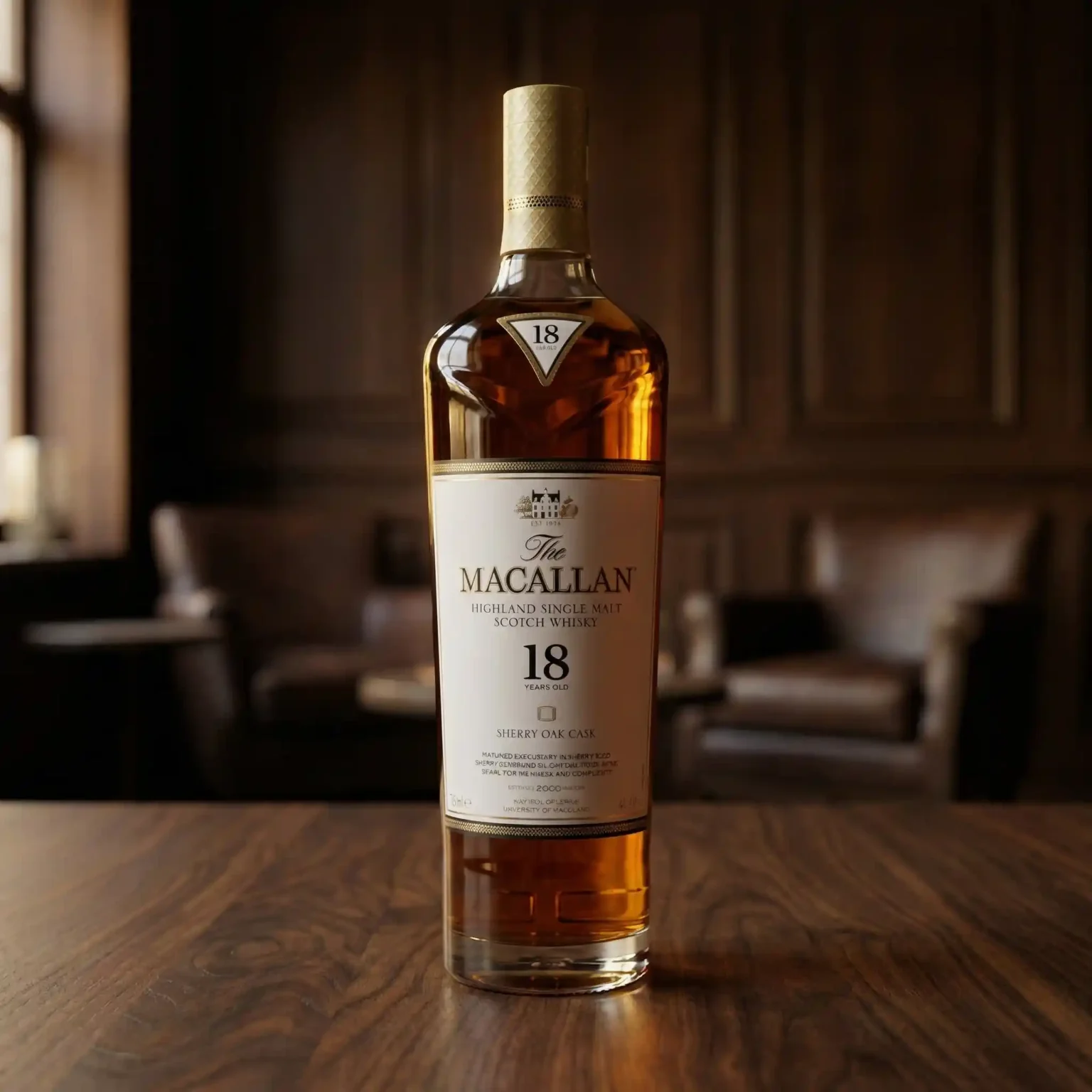
• The Macallan — older age statements and limited series such as Fine & Rare, often kept in their original presentation cases.
• Brora and Port Ellen — both closed in 1983; Brora reopened in 2021 and Port Ellen in 2024. Bottlings distilled before the closures are scarce.
• Karuizawa — a closed Japanese distillery whose remaining casks have been bottled in small numbers.
• Springbank — a small Campbeltown distillery with limited production and a strong collector following.
• Black Bowmore — releases distilled at Bowmore in 1964, one of the best-known names among Islay collectors.
• Independent bottlers — houses such as Samaroli, Gordon & MacPhail and Cadenhead’s, known for single-cask releases.
Within each name, collectors tend to focus on older, scarcer and well-documented bottles: discontinued releases, single casks and bottles that still have their original box and paperwork. Past demand says nothing certain about future prices; condition, provenance and the specific release always matter.
See what collectors are offering right now in our rare whisky marketplace.
Key Considerations Before Buying Rare Whisky
How to Start Collecting Whisky Strategically
New collectors should focus on education before purchasing high-end collectible bottles.
Key considerations:
Research the distillery history
Understand production volumes
Analyze past auction performance
Verify authenticity and storage conditions
Avoid hype-driven speculation
Diversification across distilleries and age profiles helps balance risk.
If you are looking to acquire bottles through secure online bidding or fixed-price listings, explore:
Storage, Condition and Authenticity
Condition significantly impacts resale value.
Collectors should ensure:
• Bottles are stored upright
• Stable temperature conditions
• No direct sunlight exposure
• Intact seals and capsules
• Original packaging preserved
Authentication and seller verification are essential when trading high-value bottles.
Marketplace vs Auctions: Which Format Is Better?
Collectors can trade whisky through two primary formats:
Marketplace (Fixed Price)
Ideal for sellers who prefer pricing control and immediate purchase options.
Auctions (Timed Bidding)
Suitable for rare or highly competitive bottles where bidding activity may increase final sale value.
On Spirits Treasure:
There are no upfront listing fees in the marketplace. Commission applies only to the buyer upon successful completion of a sale.
Auctions involve time-based bidding within a structured and transparent environment.
Risks of Collecting Whisky
Whisky collecting carries no guarantees.
Risks include:
• Market cycles
• Brand oversupply
• Condition deterioration
• Liquidity delays
• Regulatory changes
Collectors should only spend money they can afford to hold long-term and avoid short-term speculative behavior.
Begin Your Whisky Journey with Confidence
Successful whisky collecting combines education, patience, and strategic acquisition.
Explore current listings here:
Rare Whisky Marketplace
Live Whisky Auctions
For deeper knowledge, consult our other collector guides:
Wine Collectors Guide
Champagne Collectors Guide
Cognac Collectors Guide
Rum Collectors Guide
Frequently Asked Questions
What makes a whisky collectible?
Scarcity, distillery reputation and provenance. Collectible whisky is usually single-cask, cask-strength, a limited edition, or from a closed distillery, with an intact seal and documented history. Official and respected independent bottlings of long-aged single malts attract the strongest demand; standard blends rarely appreciate.
Does whisky age in the bottle?
No, whisky matures only in the cask, and stops developing the moment it is bottled. Collector demand after bottling comes from scarcity, distillery prestige and diminishing supply as bottles are opened, not from further aging. Stable storage and an intact seal preserve that value.
Are single-cask or limited-edition whiskys a better investment?
Not necessarily. A single cask yields only a few hundred bottles, and a numbered limited edition creates verifiable scarcity — both attract collector interest when the distillery is in demand. Numbering alone is not enough; the distillery’s reputation and the specific release matter most.
Which whiskys tend to hold value best?
Bottlings from closed distilleries (such as Port Ellen, Brora or Rosebank), old and rare single malts, sought-after Japanese whisky, and limited official releases. Bottles with original packaging, full fill level and clear provenance achieve the most consistent prices at auction.
Where can I buy and sell rare whisky safely?
Through peer-to-peer platforms with escrow payment, such as Spirits Treasure, where collectors across Europe trade rare whisky via fixed-price marketplace listings and timed auctions, with seller verification and escrow-protected payments to reduce counterparty and authenticity risk.