
Rare & Collectible Wine Guide: How to Start Collecting
Understanding Collectible Wine: What Makes a Bottle Valuable?
Not every bottle of wine increases in value. The vast majority is produced for consumption, not long-term collectability. Highly collectible wine typically combines controlled production, historic producer reputation, critical acclaim, aging structure, and global secondary demand.
Unlike spirits, fine wine continues to evolve after bottling. However, collector demand is not created by aging alone. It is driven by scarcity, brand strength, critic scores, vintage quality, and sustained international demand from collectors.
The wines that consistently attract collector interest usually fall into defined categories:
• First Growth Bordeaux and classified growth estates
• Grand Cru Burgundy from established domaines
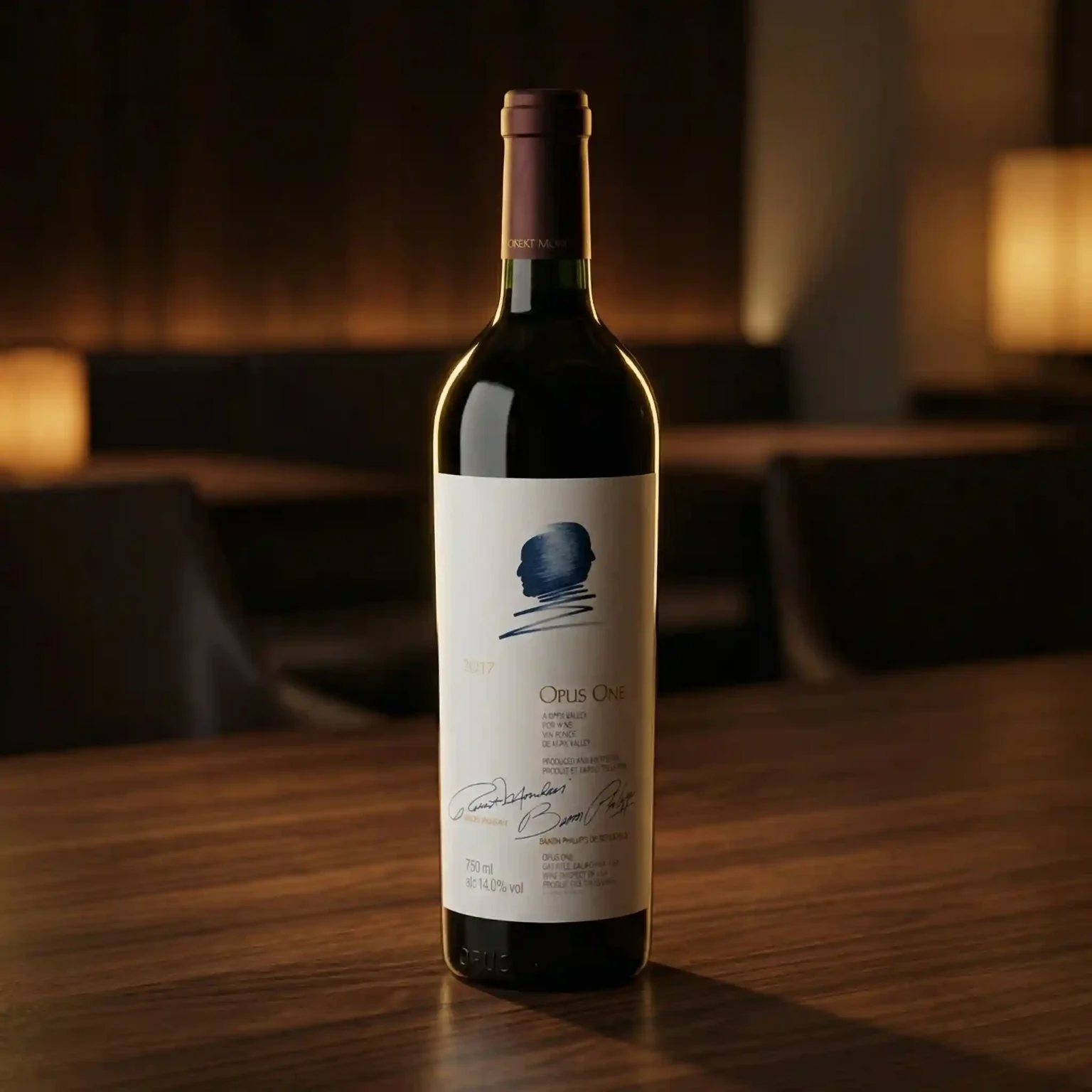
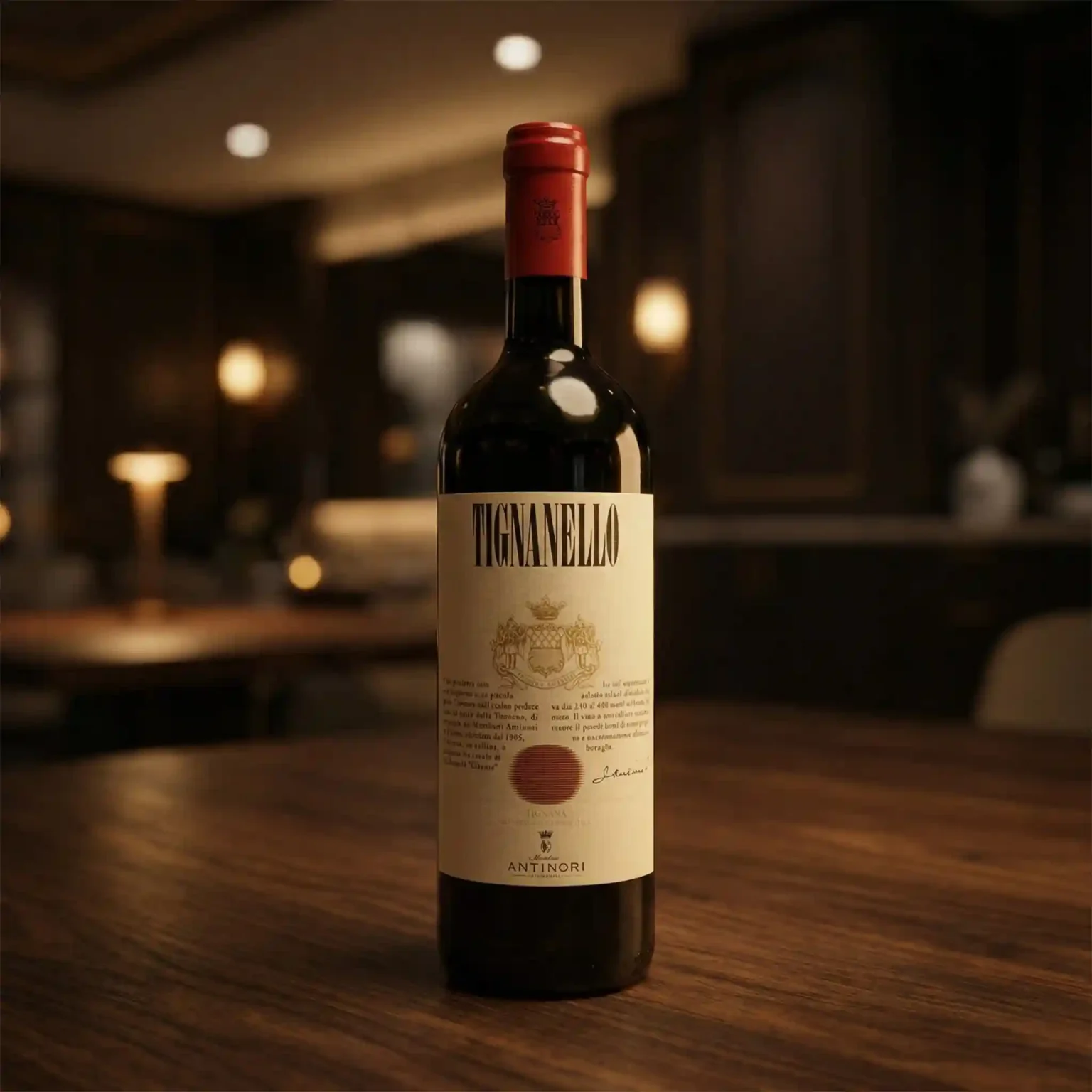
• Iconic Super Tuscans
• Cult Napa producers
• Limited-production Rhône wines
These wines are often released in small quantities, distributed globally, and heavily allocated, creating supply constraints from the moment they enter the market.
Wine Aging vs Storage: A Critical Difference
Fine wine matures in bottle through slow chemical evolution. Tannins soften, aromatics develop, and structural balance improves over time, provided the wine is stored correctly.
However, bottle aging does not automatically equal value growth.
Improper storage destroys value. Temperature instability, light exposure, low humidity, or vibration can damage cork integrity and degrade the wine. Provenance is therefore critical in secondary transactions.
Serious collectors typically look for:
• Professionally stored bottles
• Documented ownership history
• Intact labels and capsules
• Original wooden cases (OWC)
• Stable fill levels
Market Demand and Secondary Performance
The secondary wine market has been structurally active for decades. Major auction houses regularly report strong bidding activity for top Bordeaux, Burgundy, and select Italian estates.
However, performance varies significantly between producers and vintages.
Key factors influencing resale value include:
• Vintage rating and harvest conditions
• Producer track record
• Critic scores (e.g., 95+ ratings often increase liquidity)
• Global demand from Europe, Asia and the US
• Limited remaining stock in circulation
Scarcity increases over time as bottles are consumed, damaged, or locked into private collections.
Highly collectible wine does not rise in value simply because time passes. It rises when supply decreases and demand remains strong.

Key Considerations Before Buying Rare Wine
How to Start Collecting Wine Strategically
A structured approach is essential.
Instead of buying randomly, consider focusing on:
• Established regions (Bordeaux, Burgundy, Tuscany)
• Recognized producers with long-term track records
• Strong vintages with documented quality
• Limited releases with global allocation
Diversification across distilleries and age profiles helps balance risk.
Fixed price rare wine
live wine auctions
Storage, Condition and Authenticity
Condition is one of the most decisive pricing factors in fine wine.
Collectors should verify:
• Storage environment
• Bottle fill level
• Label integrity
• Capsule condition
• Case condition
For high-value bottles, provenance and ownership history significantly affect market confidence.
Marketplace vs Auctions: Which Format Is Better?
Both formats serve different strategic purposes.
The marketplace model allows sellers to set fixed prices and wait for buyers seeking specific vintages or estates. It offers pricing control and immediate purchase options.
Auctions create competitive bidding environments that may drive higher final prices, particularly for rare vintages or limited allocations.
Choosing the right format depends on:
• Urgency of sale
• Market demand
• Vintage strength
• Producer reputation
Risks of Collecting Wine
Wine collecting carries no guarantees.
Risks include:
• Market cycles
• Brand oversupply
• Condition deterioration
• Liquidity delays
• Regulatory changes
Collectors should only spend money they can afford to hold long-term and avoid short-term speculative behavior.
Understanding risk before committing capital is essential.
Begin Your Wine Journey with Confidence
Successful wine collecting combines education, patience, and strategic acquisition.
Explore current listings here:
Rare wine Marketplace
Live wine Auctions
For deeper knowledge, consult our other collector guides:
Whisky Collectors Guide
Champagne Collectors Guide
Cognac Collectors Guide
Rum Collectors Guide
Frequently Asked Questions
What makes a wine collectible?
A limited production from a top region and producer, a strong vintage, critical acclaim and, crucially impeccable provenance and storage. Highly collectible wine comes mainly from established regions with a proven secondary market and long ageing potential. everyday wine does not appreciate.
Which wine regions are best for investment?
Collector demand has historically centred on Bordeaux (classified growths) and Burgundy (Grand Cru), with growing interest in Champagne, Piedmont (Barolo, Barbaresco) and Tuscany (Super Tuscans). Scarcity, producer reputation and vintage quality drive demand within each region, but no region guarantees future prices.
How important are provenance and storage for wine value?
Decisive. Wine is fragile: temperature-controlled storage, correct humidity, an intact label and capsule, and ideally the original wooden case (OWC) all protect value. Bottles with documented, unbroken provenance consistently attract stronger demand than identical wines with an unclear history.
Do critic ratings affect resale value?
Yes. Scores from recognised critics (such as Wine Advocate, Jancis Robinson, James Suckling and Decanter) strongly influence demand and price, especially for high-scoring vintages. A near-perfect score from a leading critic can meaningfully lift a wine’s secondary-market value.
Where can I buy and sell rare wine safely?
Through peer-to-peer platforms with escrow payment, such as Spirits Treasure, where collectors across Europe trade fine and rare wine via fixed-price marketplace listings and timed auctions, with seller verification and escrow-protected payments to reduce counterparty and authenticity risk.