
Rare & Collectible Cognac Guide: How to Start Collecting
Understanding Collectible Cognac: What Makes a Bottle Valuable?
Not every Cognac becomes collectible. Most expressions are produced for consumption rather than long-term secondary market demand. Highly collectible Cognac typically combines extended cask maturation, limited release volume, historic house reputation, and sustained global luxury demand.
Cognac matures exclusively in oak barrels. Once bottled, maturation stops entirely. Collector demand after bottling is driven by scarcity, age statement, brand prestige, and diminishing available stock, not further aging.
Highly sought-after collectible Cognac categories include:
• XO expressions from leading houses
• Extra and Hors d’Âge releases
• Limited edition decanters
• Historic or discontinued bottlings
• Single cask or small batch releases
Older stocks are finite. As aged eaux-de-vie are bottled and consumed, long-matured inventory becomes increasingly limited.

Cask Maturation vs Bottle Preservation: A Critical Difference
Unlike wine, Cognac does not evolve in bottle. All development occurs during barrel aging, where interaction with oak shapes structure, aroma and complexity.
Extended maturation reduces total available volume due to evaporation, commonly referred to as the “angel’s share.” Over decades, this natural reduction significantly limits supply of very old Cognac.
Once bottled, preservation depends on:
• Stable storage conditions
• Intact seal and capsule
• Label condition
• Packaging integrity
Age statements such as XO, Extra and Hors d’Âge reflect long maturation before bottling, which contributes to scarcity in the secondary market.
Market Demand and Secondary Performance
The high-end Cognac segment is driven by luxury positioning and global brand recognition. Leading houses such as Hennessy, Rémy Martin, Martell and Camus dominate international collector demand.
However, not all releases attract equal demand.
Factors influencing resale value include:
• Age statement and maturation depth
• Brand prestige and global recognition
• Limited edition status
• Packaging (crystal decanters often attract higher attention)
• Distribution volume and allocation
Discontinued bottlings and historic label variations often attract structured auction demand.
Scarcity increases over time as bottles are consumed or permanently stored in private collections.
The Most Collectible Cognac Houses and Bottles
Collector interest concentrates on a small group of houses and their prestige expressions. These are the names that appear most often in serious collections and on the secondary market:
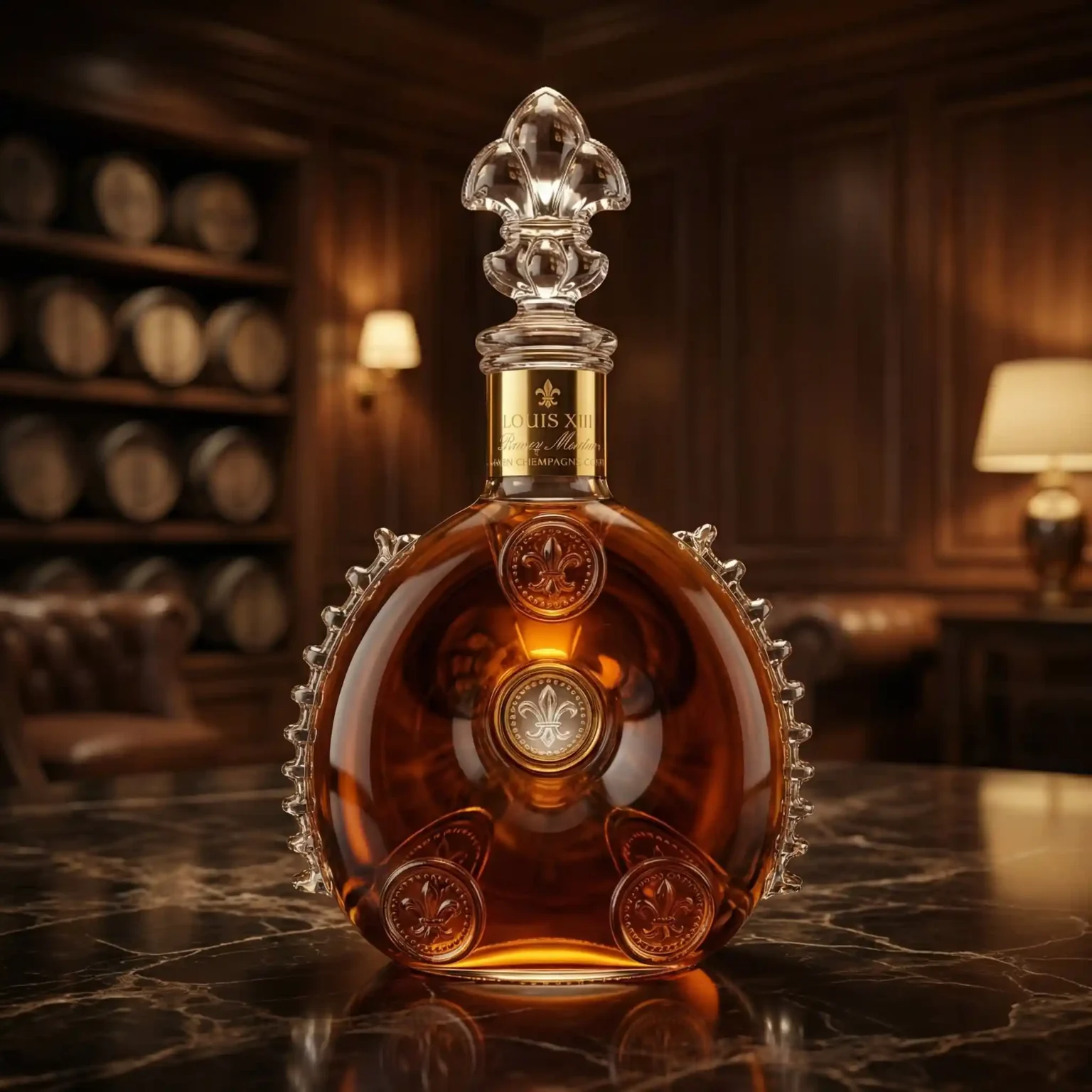
• Rémy Martin Louis XIII — a blend of up to 1,200 Grande Champagne eaux-de-vie, presented in a numbered crystal decanter. Limited editions and older decanters are among the most sought-after cognacs.
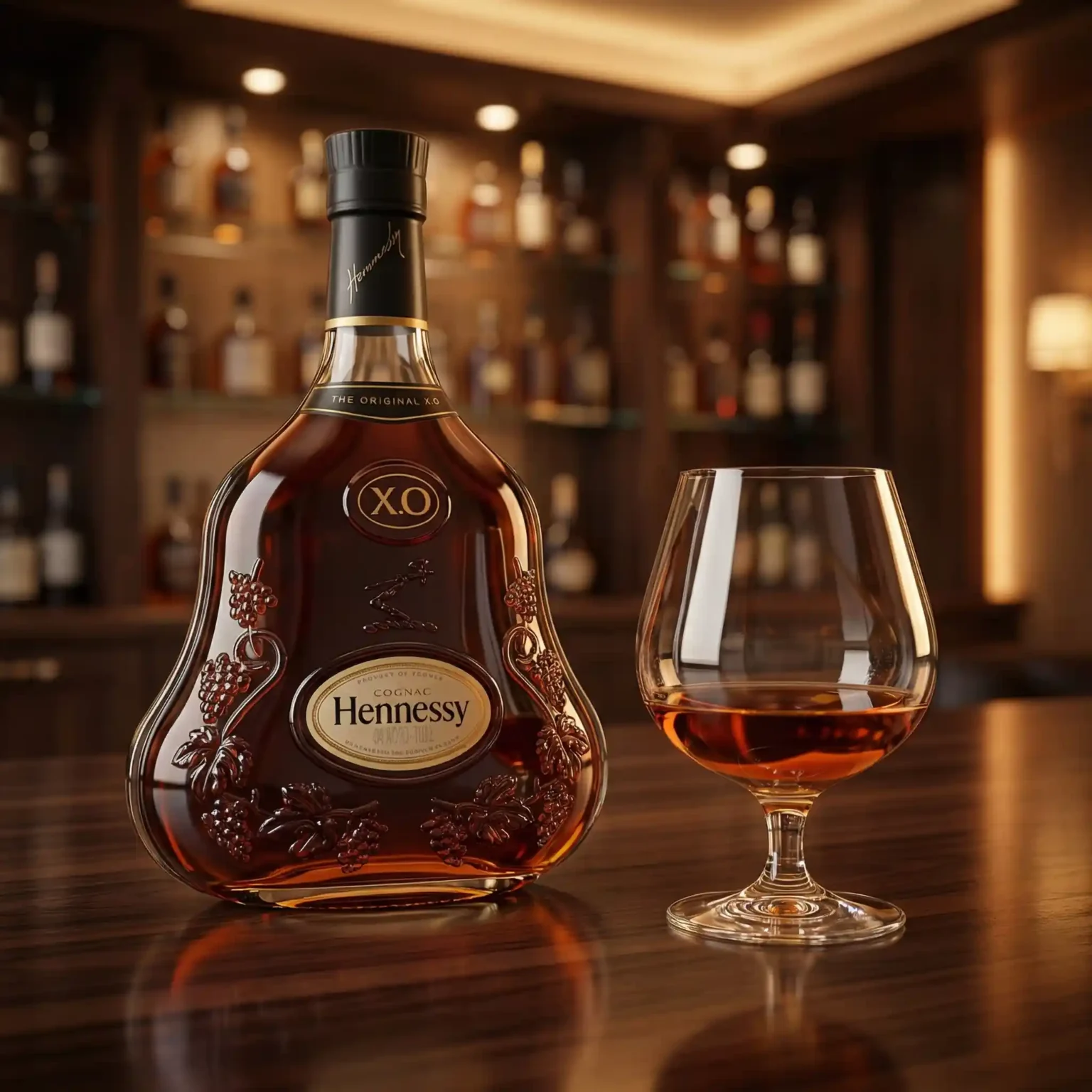
• Hennessy Paradis and Richard Hennessy — Hennessy’s prestige blends above the XO range, produced in small volumes.
• Martell L’Or de Jean Martell — Martell’s top-tier blend, presented in a crystal decanter.
• Hine vintages — single-year releases, including Early Landed cognacs matured in the UK.
• Delamain and Camus — independent family houses known for limited, long-aged releases.
Within each house, collectors tend to focus on the older and scarcer releases: discontinued decanters, anniversary editions and bottles that still have their original packaging and documentation. Past demand says nothing certain about future prices; condition, provenance and the specific expression always matter.
See what collectors are offering right now in our rare cognac marketplace.
Key Considerations Before Buying Rare Cognac
How to Start Collecting Cognac Strategically
A disciplined approach reduces speculative risk.
Focus on:
• Established luxury houses
• Long-aged XO, Extra or Hors d’Âge expressions
• Limited production decanter editions
• Historic or discontinued releases
• Bottles with documented provenance
Avoid purchasing solely based on packaging without understanding brand strength and secondary demand.
Diversification across distilleries and age profiles helps balance risk.
rare cognac marketplace
live cognac auctions
Storage, Condition and Authenticity
Although Cognac does not evolve in bottle, condition significantly impacts resale value.
Collectors should verify:
• Fill level consistency
• Capsule integrity
• Label condition
• Original presentation case
• Provenance documentation
Luxury decanters and crystal presentations must be inspected carefully for damage or replacement components.
Buying and selling on a platform with escrow payment reduces counterparty and authenticity risk.
Marketplace vs Auctions: Which Format Is Better?
Both formats serve different strategies.
The marketplace allows sellers to set fixed prices and wait for buyers seeking specific age statements or limited releases. This provides pricing control and immediate purchase opportunities.
Auctions create competitive bidding environments that may increase final sale prices, particularly for rare decanters, discontinued expressions or long-aged releases.
Choosing the right format depends on:
• Bottle rarity
• Brand demand
• Urgency of sale
• Market liquidity
Risks of Collecting Cognac
Cognac collecting carries measurable risks.
• Market demand can fluctuate by region
• Overproduction in certain segments reduces scarcity
• Condition issues affect value
• Liquidity varies between producers
• Luxury cycles influence high-end spending
Not every XO or Extra release becomes collectible. Brand strength and genuine scarcity are more reliable drivers than age statement alone.
Understanding supply constraints and global demand patterns is essential before committing capital.
Begin Your Cognac Journey with Confidence
Successful Cognac collecting combines education, patience, and strategic acquisition.
Explore current listings here:
Rare cognac Marketplace
Live cognac Auctions
For deeper knowledge, consult our other collector guides:
Wine Collectors Guide
Champagne Collectors Guide
Whisky Collectors Guide
Rum Collectors Guide
Frequently Asked Questions
What makes certain cognac releases collectible?
Scarcity, age and provenance. Collectible cognac is usually limited-production or discontinued, built from very old eaux-de-vie such as Hors d’Âge, Extra or vintage-dated releases, and tied to a prestige house like Hennessy, Rémy Martin or Martell. Original packaging, a numbered bottle and documented provenance push value higher. Everyday VS and VSOP releases are made at scale and rarely appreciate.
Are numbered or limited-edition cognac bottles more valuable long term?
Not automatically. A low, numbered production run creates verifiable scarcity, which collectors tend to prefer as bottles are opened and remaining supply shrinks. Demand is strongest for prestige-house releases that are stored well and kept with their original box and documentation. Numbering alone guarantees nothing; demand for the house and the specific expression matters most.
What makes a cognac collectible versus an everyday bottle?
Everyday cognac (VS, VSOP) is blended for consistency and produced in large volumes, so it stays near retail price. Collectible cognac is scarce by design, long-aged Extra and Hors d’Âge expressions, limited decanters, and discontinued or vintage releases where diminishing supply and prestige create an active secondary market.
Where can I find collectible cognac bottles for investment?
Through peer-to-peer platforms with escrow payment, such as Spirits Treasure, where collectors across Europe buy and sell rare cognac via fixed-price marketplace listings and timed auctions, with seller verification and escrow-protected payments to reduce counterparty risk.
How reliable is secondary-market pricing for rare cognac?
Pricing is most reliable for well-documented bottles from prestige houses with clear provenance and good condition. Auction results are the best real-world benchmark; professionally stored bottles with original packaging attract the strongest and most consistent bids, while thinly traded or undocumented bottles show wider price spreads.
Where can I buy and sell rare cognac safely?
Through peer-to-peer platforms with escrow payment, such as Spirits Treasure, where collectors across Europe buy and sell rare cognac via fixed-price marketplace listings and timed auctions, with seller verification and escrow-protected payments to reduce counterparty and authenticity risk.