
Rare & Fine Wine for European Collectors
Buy and sell rare, fine and collectible Bordeaux, Burgundy and vintage wines.

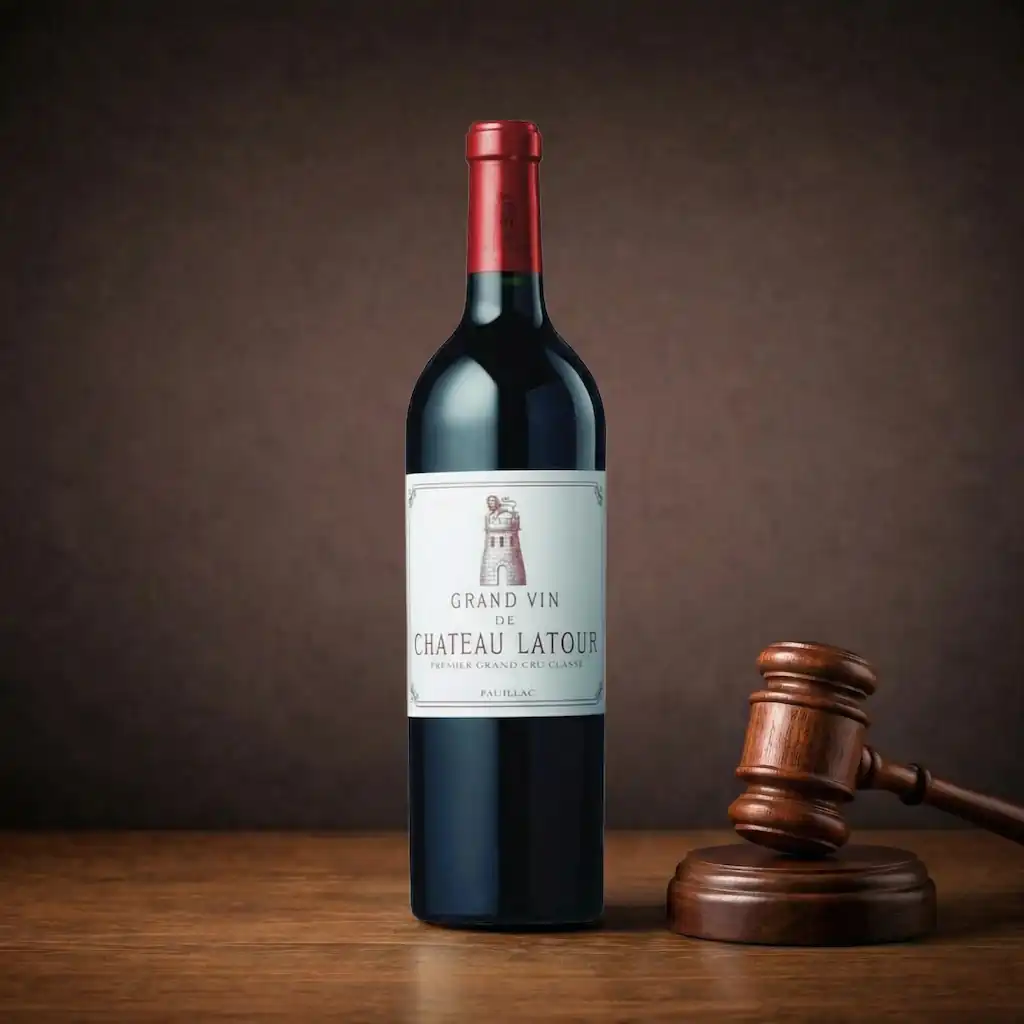
Why Trade Fine Wine on Spirits Treasure
- Checked Listings
- Escrow-Protected Transactions
- No Sale, No commission
- transparent timed wine auctions
Secure Escrow Payments

Buy & Sell Fine Wine Online
Spirits Treasure connects collectors and investors across Europe with rare and investment-grade fine wine through secure online marketplace listings and competitive timed auctions. From classified Bordeaux and Grand Cru Burgundy to highly rated Italian estates and limited production releases, this category is built for serious collectors seeking quality and provenance.
In the marketplace, listing is always free, no listing fees and no seller commission. Sellers receive their full asking price, while buyers pay a standard buyer fee at checkout.
In the auction format, members bid on scarce and limited releases. An auction costs €5 if the lot sells, which is deducted from your payout. This fee covers platform exposure and auction management. A ‘no sale, no fee’ policy applies to both auctions and marketplaces. The buyers pay a standard buyer fee at checkout. Every transaction is secured through escrow-based payments.
Optional visibility upgrades can be activated using platform points, allowing sellers to feature listings within categories or on the homepage for increased exposure.
New to collecting Wine? Start with our wine collectors guide to understand what drives long-term value.
Live Fine Wine Auctions
Why Fine Wine Is Highly Collectible
"Fine Wine Secondary-Market Demand
Fine and rare wine has an established secondary market, particularly for classified Bordeaux, Grand Cru Burgundy and limited-production Italian estates. Market performance varies by vintage, producer, critic scores, storage condition and demand cycles.
Highly rated harvest years tend to attract stronger bidding activity, especially when bottles carry verifiable provenance and professional storage history. Original cases, intact capsules and documented storage typically command higher buyer confidence.
Scarcity can support collectibility over time, but it does not guarantee future price appreciation.
Price performance is often influenced by vintage quality, critic scores, storage condition and global market demand. Highly rated harvest years tend to command stronger bidding activity, particularly when bottles are stored in professional cellars with verifiable provenance.
As leading vintages mature and supply gradually declines, scarcity dynamics may support sustained collector interest across both fixed-price marketplace listings and competitive auctions.
Scarcity and Vintage Variation
Fine wine production is inherently limited by vineyard size, climate conditions and annual harvest yields. Unlike non-vintage products, each vintage reflects specific weather patterns and growing conditions, resulting in variation in quality and volume.
Exceptional harvest years often produce wines with greater aging potential and stronger long-term demand. When production volumes are low and global allocation is restricted, scarcity becomes a central driver of market value.
Over time, consumption further reduces supply, particularly for sought-after estates and top classifications.
Classified Growths and Grand Cru Demand
Classified Bordeaux châteaux, Burgundy Grand Cru vineyards and prestigious Tuscan estates remain central to global fine wine trading. First Growth Bordeaux, Premier Cru Burgundy and iconic Super Tuscans are frequently featured in wine auctions due to their international reputation.
Brand heritage, historical performance and critical acclaim significantly influence secondary market activity. Bottles with original wooden cases, intact capsules and documented storage history typically command higher confidence among collectors.
Demand for blue-chip estates often remains stable even during broader market fluctuations, reinforcing their position within the collectible wine segment.
Provenance and Professional Storage
In the fine wine market, provenance is one of the most important value factors. Bottles stored in temperature-controlled cellars or bonded warehouses generally maintain stronger market credibility.
Auction buyers frequently assess fill level, label condition and capsule integrity before placing bids. Seller verification by our payment partner and transparent listing information contribute to buyer confidence when trading high-value bottles across Europe.
Proper storage history and clear documentation can significantly influence final auction results and marketplace pricing.
Marketplace or Wine Auctions, Which Format to Choose?
The marketplace format allows sellers to list fine wine bottles at fixed prices, offering immediate purchase opportunities for collectors seeking specific vintages or estates.
Timed wine auctions introduce bidding environments, which may increase final sale prices for rare or highly rated bottles.
Choosing the right format depends on demand, vintage strength, producer reputation and the urgency of the seller.