
Rare & Collectible Cognac for European Collectors
Buy and sell collectible XO, Hors d’Âge and limited-edition Cognac bottles.

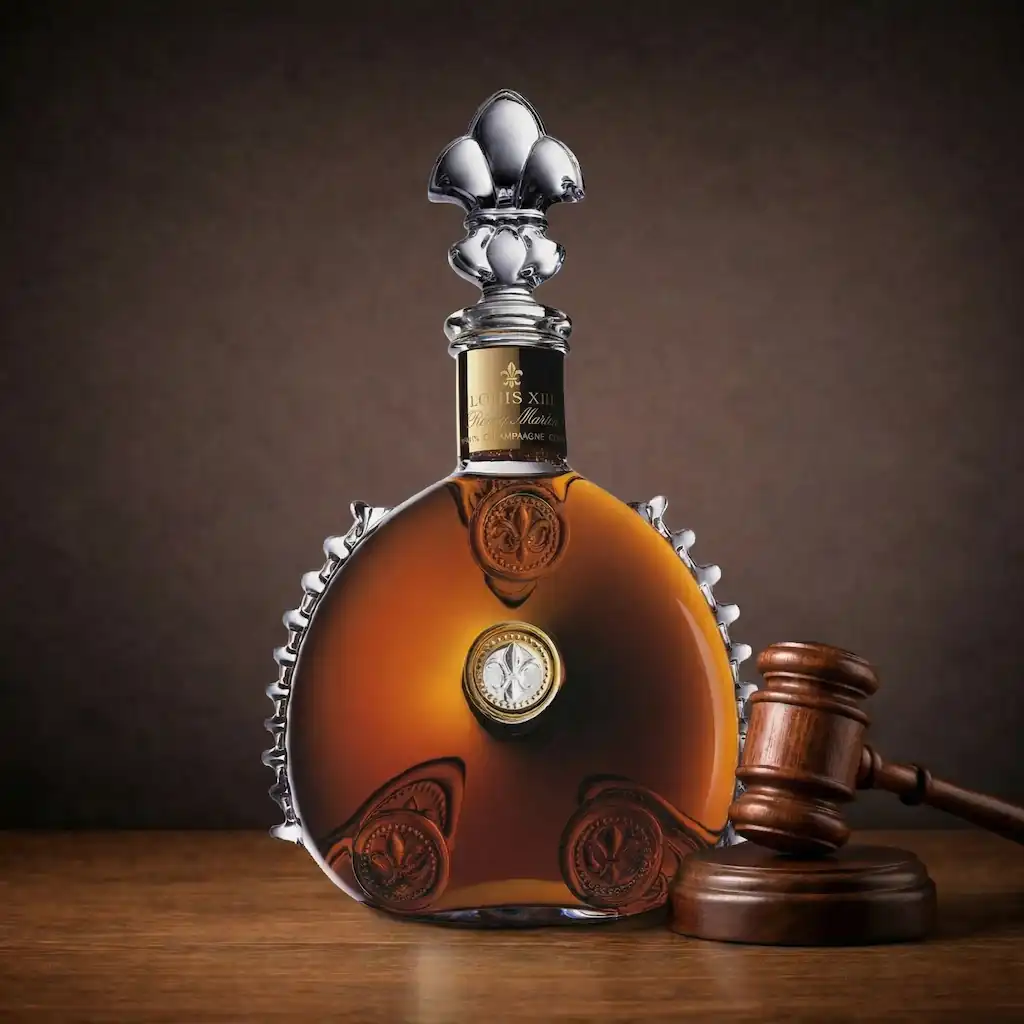
Why Trade Cognac on Spirits Treasure
- Checked Listings
- Escrow-Protected Transactions
- No Sale, No commission
- transparent timed cognac auctions
Secure Escrow Payments

Buy & Sell Rare Cognac Online
Spirits Treasure connects European collectors and investors with rare, aged and limited-edition cognac through structured online auctions and fixed-price marketplace listings. From XO, Extra and Hors d’Âge expressions to limited decanters and discontinued house releases, this category focuses on collectible cognac with strong provenance and lasting scarcity.
In the marketplace, listing is always free, no listing fees and no seller commission. Sellers receive their full asking price, while buyers pay a standard buyer fee at checkout.
In the auction format, members bid on scarce and limited releases. An auction costs €5 if the lot sells, which is deducted from your payout. This fee covers platform exposure and auction management. A ‘no sale, no fee’ policy applies to both auctions and marketplaces. The buyers pay a standard buyer fee at checkout. Every transaction is secured through escrow-based payments.
Optional listing visibility upgrades are available using platform points to increase exposure across category pages and the homepage.
New to collecting cognac? Start with our collectible cognac guide to understand what drives long-term value.
Live Rare Cognac Auctions

Why rare Cognac Is Highly Collectible
Cognac Investment Performance
Rare and aged Cognac can attract strong collector interest, particularly for limited editions, discontinued releases, luxury decanters and older XO, Extra and Hors d’Âge expressions. Secondary-market prices vary by producer, release, condition, scarcity and provenance.
Well-documented bottles with original packaging and clear provenance can be more attractive to collectors. Scarce or discontinued releases may generate stronger bidding interest when collector demand is present.
Scarcity can support collectibility over time, but it does not guarantee future price appreciation.
Scarcity and Long Aging Potential
High-end Cognac often spends decades maturing in oak barrels before bottling. Extended aging reduces total available volume due to evaporation — known as the “angel’s share” — naturally limiting supply over time.
Hors d’Âge and Extra expressions may contain eaux-de-vie aged for several decades, making them structurally scarce compared to standard VSOP releases.
Once bottled and consumed, these expressions are rarely reproduced, increasing their rarity within marketplace listings and auctions.
Prestige Houses and Global Demand
Leading Cognac producers such as Hennessy, Rémy Martin, Martell and Camus dominate the high-end segment, particularly for limited editions and luxury decanter releases.
Special collaborations, crystal decanters and anniversary editions often generate strong international demand, particularly in European and Asian markets.
Brand reputation, heritage and production scale play a key role in secondary market performance, especially for bottles tied to historic releases or limited allocations.
Vintage Cognac and Discontinued Releases
Although vintage-dated Cognac is less common than vintage Champagne, certain single-cask or year-specific releases exist and command collector interest.
Discontinued bottlings, old label designs and historic packaging variations can significantly influence desirability in the auction market.
Collectors often seek bottles that reflect production history, unique aging characteristics or limited distribution runs.
Marketplace or Cognac Auctions, Which Format to Choose?
The marketplace format enables sellers to list rare Cognac bottles at fixed prices, offering direct purchase options for collectors searching for specific houses, XO, Extra or Hors d’Âge expressions.
Timed Cognac auctions create bidding environments that may drive higher final prices, especially for limited editions, aged releases, luxury decanters or discontinued bottlings.
Selecting the optimal format depends on brand reputation, aging level, scarcity and overall market demand.