
Rare & Vintage Champagne for European Collectors
Buy and sell rare, limited and collectible vintage Champagne bottles.
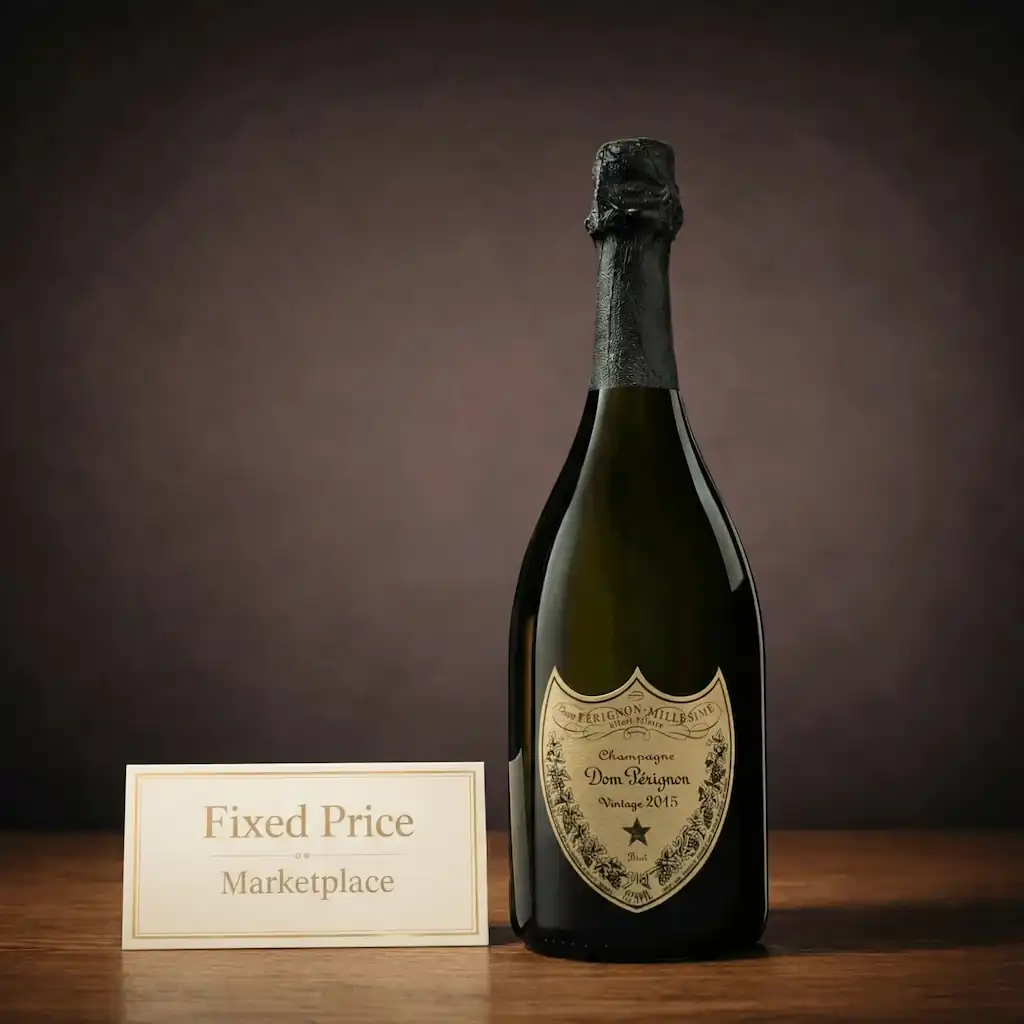

Why Trade Champagne on Spirits Treasure
- Checked Listings
- Escrow-Protected Transactions
- No Sale, No commission
- transparent timed champagne auctions
Secure Escrow Payments

Buy & Sell Vintage Champagne Online
Spirits Treasure enables collectors across Europe to trade vintage and prestige cuvée Champagne through secure fixed-price marketplace listings and competitive timed auctions. From iconic houses to small grower producers, this category focuses on collectible harvest years and limited allocations.
In the marketplace, listing is always free, no listing fees and no seller commission. Sellers receive their full asking price, while buyers pay a standard buyer fee at checkout.
In the auction format, members bid on scarce and limited releases. An auction costs €5 if the lot sells, which is deducted from your payout. This fee covers platform exposure and auction management. A ‘no sale, no fee’ policy applies to both auctions and marketplaces. The buyers pay a standard buyer fee at checkout. Every transaction is secured through escrow-based payments.
Sellers can increase exposure through optional promotional features activated with platform points.
New to collecting champagne? Start with our champagne collectors guide to understand what drives long-term value.
Live Rare Champagne Auctions
Why Vintage Champagne Is Highly Collectible
The Collectible Appeal of Vintage Champagne
Vintage and rare Champagne is one of the most sought-after collectible categories within the fine wine market. From prestige cuvées and limited-production releases to exceptional vintage bottlings, Champagne offers both drinking pleasure and long-term collectible appeal.
Collectors actively seek iconic houses such as Dom Pérignon, Krug, Salon and Louis Roederer, alongside highly regarded grower-producers and small-production estates. Vintage Champagne, especially from strong harvest years, continues to gain attention among collectors thanks to scarcity, brand reputation and global demand.
On Spirits Treasure, members can trade a wide selection of rare and collectible Champagne through both fixed-price marketplace listings and competitive timed auctions. Whether you are searching for rare magnums, discontinued releases or cellar-aged bottles from collectors across Europe, the platform provides a secure and transparent environment for serious buyers and sellers.
Secondary-Market Demand for Vintage Champagne
Vintage Champagne has an established secondary market, particularly for prestige cuvées, sought-after vintages and scarce formats. However, market performance can vary significantly between houses, vintages and market cycles.
Brand reputation, vintage quality, provenance, storage condition, bottle format and remaining supply can all influence collector demand and resale prices. Scarce releases may attract stronger demand, but scarcity does not guarantee future price appreciation.
Collectors should evaluate comparable market prices alongside provenance and the condition of the individual bottle.
Top houses such as Dom Pérignon, Krug, Salon and Louis Roederer often see strong secondary market activity, particularly for sought-after vintages released in small quantities. Auction results frequently demonstrate that rare Champagne bottles can outperform standard non-vintage releases due to scarcity and aging potential.
Unlike mass-produced sparkling wines, vintage Champagne reflects a specific harvest year, making each release finite. As bottles are consumed over time, availability decreases, which can support price growth in both marketplace listings and competitive auctions.
For collectors, vintage Champagne offers a balance between drinking pleasure and long-term asset potential.
Scarcity and Limited Production
One of the main drivers behind vintage Champagne value is scarcity. Vintage releases are only produced in exceptional harvest years and often in significantly lower volumes compared to non-vintage blends.
Prestige cuvées and grower Champagnes may have particularly limited allocations, sometimes restricted to a few thousand cases globally. Over time, as bottles are opened and consumed, the remaining supply diminishes, increasing rarity in the secondary market.
Discontinued releases, large-format bottles such as magnums and jeroboams, and cellar-aged examples with documented storage tend to attract more interest due to limited availability. This structural scarcity plays a central role in auction demand and marketplace pricing.
Prestige Cuvée Market Demand
Prestige cuvées represent the highest expression of a Champagne house and typically receive the greatest attention from collectors and investors. Labels such as Dom Pérignon, Krug Grande Cuvée (vintage editions), Salon, Cristal and Comtes de Champagne are actively traded across global auctions.
These bottlings are often associated with critical acclaim, luxury positioning and strong brand recognition, all of which support sustained demand. In times of economic strength, luxury goods and collectible wines frequently attract international buyers seeking tangible assets.
Vintage prestige cuvées from highly rated harvest years tend to see increased bidding activity, especially when stored professionally and accompanied by full provenance details. This ongoing demand reinforces Champagne’s position within the fine wine and auction market.
Vintage Variation and Harvest Impact
Unlike non-vintage Champagne, which blends multiple years for consistency, vintage Champagne reflects the specific climatic conditions of a single harvest year. Weather patterns, grape ripeness and growing season quality directly influence production volumes and long-term aging potential.
Strong harvest years — often described as “classic” or “exceptional” by critics — can significantly impact collector demand. Vintages recognized for balance, acidity and aging structure typically perform better in the secondary market.
Because production only occurs in standout years, some vintages are skipped entirely, increasing the significance of released years. This variation creates natural supply cycles that contribute to price differentiation between harvests.
For buyers and sellers on Spirits Treasure, understanding vintage quality and harvest reputation can play a key role in both marketplace pricing strategy and auction bidding decisions.
Marketplace or Champagne Auctions, Which Format to Choose?
The marketplace format allows sellers to list vintage and prestige Champagne bottles at fixed prices, providing immediate purchase opportunities for collectors seeking specific houses, vintages or large-format releases.
Timed Champagne auctions introduce bidding environments that may increase final sale prices, particularly for rare harvest years, prestige cuvées and discontinued releases with strong brand recognition.
Choosing the right format depends on vintage quality, market demand, bottle condition and the seller’s pricing strategy.