
Rare & Collectible Rum for European Collectors
Buy and sell collectible aged rum, limited releases and rare single cask bottlings.
Why Trade Rum on Spirits Treasure
- Verified Collectors
- Escrow-Protected Transactions
- No Sale, No commission
- transparent timed Rum auctions
Secure Payments & Identity Verification


Buy & Sell Rare Rum Online
Spirits Treasure connects collectors and investors with rare and aged rum through structured online auctions and fixed-price marketplace listings. From single cask bottlings to discontinued Caribbean distillery releases, this category focuses on collectible and limited production expressions.
In the marketplace, listing is always free, no listing fees and no seller commission. Sellers receive their full asking price, while buyers pay a standard buyer fee at checkout.
In the auction format, members bid on scarce and limited releases.An auction costs €5 if the lot sells, which is deducted from your payout. This fee covers platform exposure and auction management. A ‘no sale, no fee’ policy applies to both auctions and marketplaces. The buyers pay a standard buyer fee at checkout. Every transaction is secured through escrow-based payments.
Optional listing visibility upgrades are available using platform points to increase exposure across category pages and the homepage.
New to collecting rum? Start with our rum collectors guide to understand what drives long-term value.
Live Rare Rum Auctions
Why Rare Rum Is Highly Collectible
Rum Investment Performance
Aged and limited-edition rum has shown consistent growth in collector demand, particularly for long-aged Caribbean expressions and independent bottlings. Auction houses frequently report strong bidding activity for rare single cask releases and discontinued bottlings.
Price performance is influenced by aging duration, distillery reputation, bottling outturn and global luxury demand. Bottles with original packaging, strong fill levels and documented provenance generally attract higher confidence among buyers.
As premium rum gains recognition alongside whisky and cognac, secondary market visibility continues to expand across Europe and international markets.
Scarcity and Tropical Aging Impact
Rum aged in tropical climates matures faster due to higher evaporation rates, commonly referred to as the “angel’s share.” This significantly reduces the total volume available over time, especially for long-aged expressions exceeding 20 or 30 years.
Limited outturn single cask bottlings may consist of only a few hundred bottles worldwide. Once released and consumed, supply declines permanently, increasing rarity within the secondary market.
This structural scarcity plays a key role in auction dynamics and collector pricing strategies.
Distillery Reputation and Independent Bottlers
Certain Caribbean distilleries have developed strong collector followings, particularly those with historic production styles or discontinued output. Independent bottlers such as Velier and other limited-release producers often release single cask expressions with detailed transparency regarding distillation year, aging period and outturn.
Bottlings linked to closed distilleries or unique production methods may command premium interest in auctions and marketplace listings.
Brand reputation, bottling transparency and authenticity verification are central drivers in collector confidence.
Vintage Rum and Limited Releases
Although vintage-dated rum is less common than vintage wine, specific distillation years and single cask releases exist and are actively traded among collectors.
Special anniversary editions, numbered bottles and discontinued labels often generate competitive bidding environments. Large format bottles and high-proof releases may further increase desirability.
Collectors typically seek bottles that combine age, scarcity and documented provenance, particularly when professionally stored and offered through secure, escrow-protected transactions.
Marketplace or Rum Auctions, Which Format to Choose?
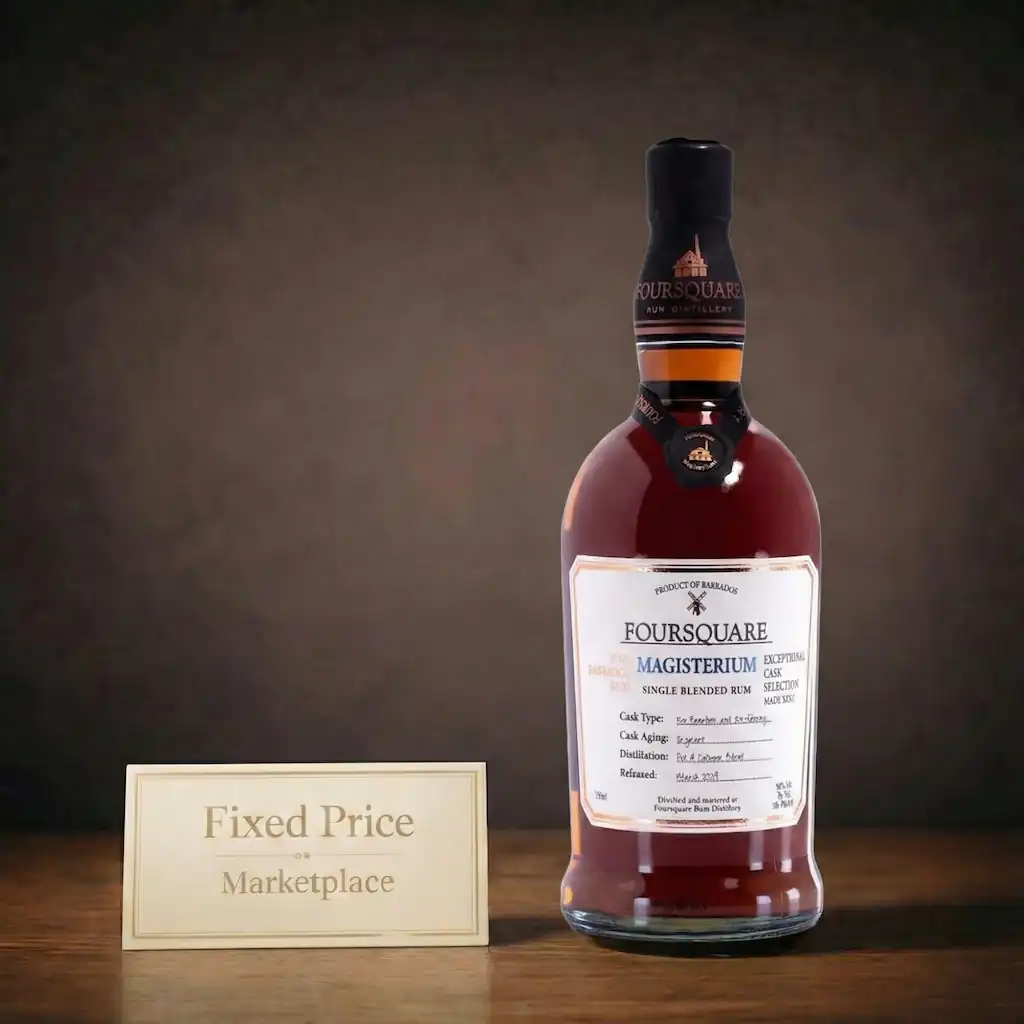
Marketplace listings allow sellers to set fixed prices for rare rum bottles, offering immediate purchase opportunities for collectors seeking specific distilleries or aging statements.
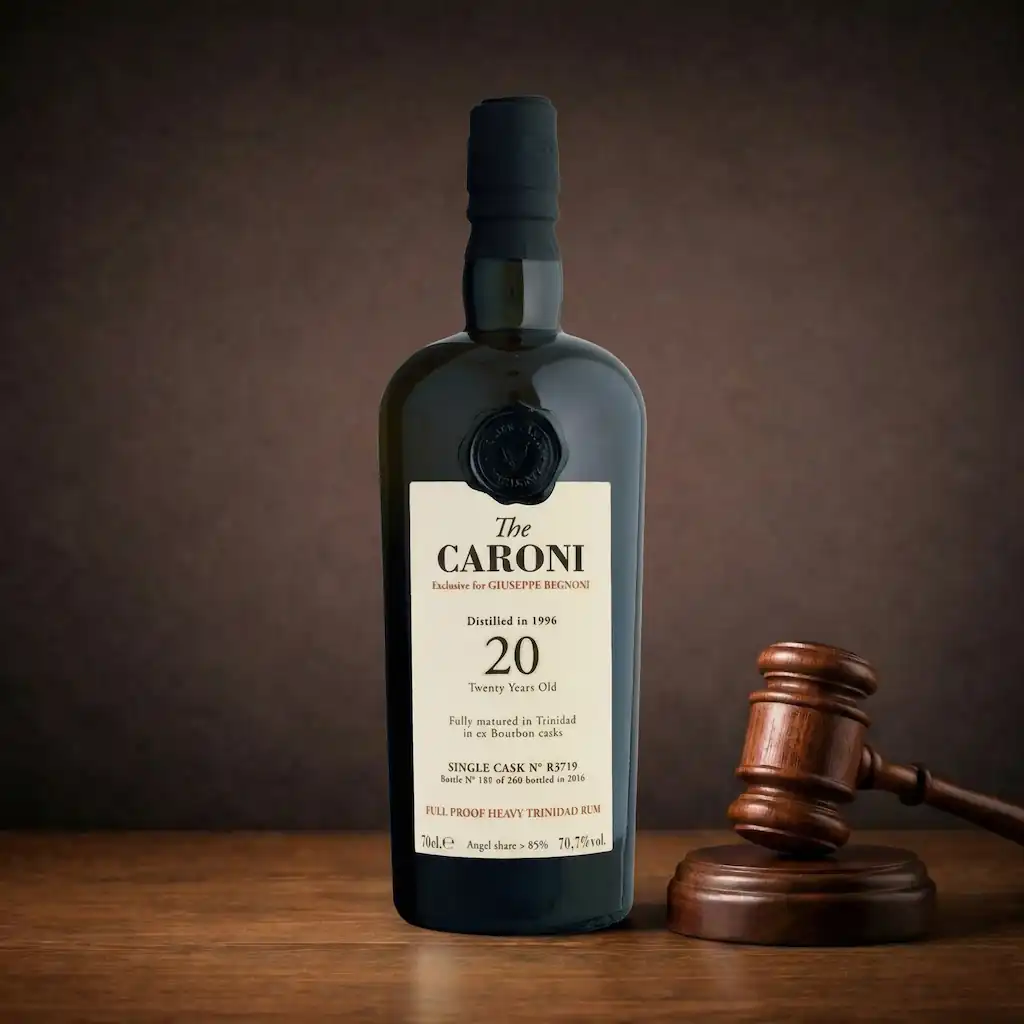
Timed rum auctions introduce competitive bidding, which may drive higher final prices for scarce, limited or highly rated expressions.
The ideal format depends on rarity, demand, bottle condition and the seller’s pricing strategy.