
Rare & Collectible Champagne Guide: How to Start Investing and Collecting
Understanding Collectible Champagne: What Makes a Bottle Valuable?
Not every bottle of Champagne becomes collectible. Most Champagne is produced for immediate consumption. Investment grade Champagne typically combines limited production, prestigious house reputation, vintage quality, aging potential, and global collector demand.
Unlike spirits, Champagne does continue evolving in bottle, but only under proper storage conditions. Its development depends on vintage strength, dosage style, and cellar aging potential.
Highly sought-after collectible Champagne categories include:
• Vintage Champagne from exceptional harvest years
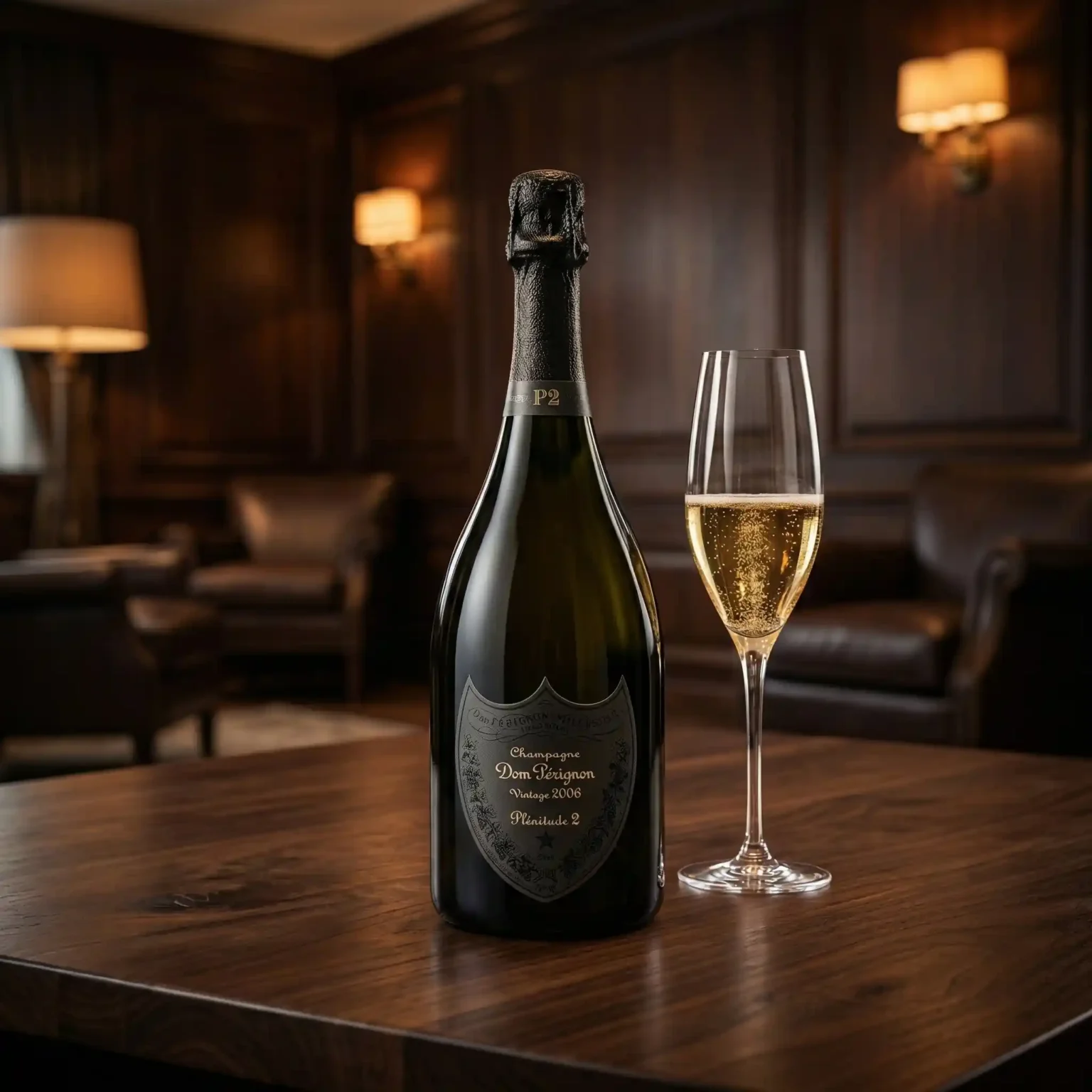
• Prestige cuvées (e.g., Dom Pérignon, Krug, Cristal)
• Limited production grower Champagne
• Large format bottles (Magnums, Jeroboams)
• Discontinued or historic releases
Prestige houses with strong secondary demand tend to outperform generic non-vintage bottlings.

Bottle Aging vs Release Timing: A Critical Difference
Champagne ages in bottle, not in cask. After disgorgement, the wine continues to evolve slowly depending on storage conditions.
Key factors influencing aging and value:
• Vintage quality and harvest conditions
• Time spent aging on lees before release
• Storage temperature and light exposure
• Disgorgement date (for certain producers)
Poor storage can destroy collectible value. Unlike whisky or rum, Champagne is more sensitive to heat and light damage.
Investment-grade Champagne benefits from:
• Strong vintage reputation
• Long lees aging before release
• Limited allocation
• Global distribution and collector recognition
Scarcity increases as bottles are consumed over time.
Market Demand and Secondary Performance
The fine Champagne market has shown strong performance for prestige cuvées and top vintages over the past decades.
However, performance varies significantly by house and vintage.
Factors influencing resale value include:
• Brand prestige and global recognition
• Vintage rating and critic scores
• Storage condition and provenance
• Bottle size (large formats often perform better)
• Limited release volume
Prestige cuvées from strong years often demonstrate consistent collector demand in structured auctions.
Champagne from exceptional harvests tends to appreciate as supply diminishes.

Key Considerations Before Investing in Vintage Champagne
How to Start Collecting Champagne Strategically
A disciplined approach reduces risk.
Focus on:
• Top-rated vintage years
• Established prestige houses
• Long lees-aged cuvées
• Large format bottles
• Properly cellared examples
Avoid speculative buying based purely on short-term hype.
Vintage strength matters more than label alone.
Diversification across distilleries and age profiles helps balance risk.
Storage, Condition and Authenticity
Condition is critical for Champagne.
Collectors should verify:
• Proper storage history (cool, dark conditions)
• No signs of heat damage
• Label and capsule integrity
• Fill level consistency
• Provenance documentation
Because Champagne is sensitive to temperature variation, professional storage increases buyer confidence.
Buying within a verified member platform reduces counterparty risk.
Marketplace vs Auctions: Which Format Is Better?
Both formats serve different strategies.
The marketplace allows sellers to set fixed prices and target buyers searching for specific vintages or houses.
Auctions create competitive bidding environments that may increase final prices for rare prestige cuvées or exceptional vintages.
Choosing the right format depends on:
• Vintage strength
• Brand demand
• Bottle rarity
• Urgency of sale
Risks of Champagne Investing
Champagne investing carries measurable risks.
• Vintage variation affects long-term performance
• Improper storage can destroy value
• Overproduction in weaker years reduces scarcity
• Market cycles influence demand
• Liquidity varies by producer
Not every vintage appreciates equally. Brand strength alone does not guarantee performance.
Understanding harvest quality and long-term demand is essential.
Begin Your Champagne Journey with Confidence
Successful Champagne collecting combines education, patience, and strategic acquisition.
Explore current listings here:
Rare Champagne Marketplace
Live Champagne Auctions
For deeper knowledge, consult our other investment guides:
Wine Investment Guide
Whisky Investment Guide
Cognac Collectors Guide
Rum Collectors Guide
Frequently Asked Questions
What makes vintage champagne collectible?
Vintage champagne is produced only in exceptional harvest years and in far smaller volumes than non-vintage blends, which makes it scarce by design. Prestige cuvées, strong vintages, large formats and discontinued releases from renowned houses attract the most collector demand.
Is champagne a good investment?
It has become one of the stronger performers within fine wine, driven by limited vintage production, prestige-cuvée demand and global luxury appeal. Value holds best for top vintages from leading houses stored under stable, professional conditions with clear provenance.
Which champagne houses hold value best?
Prestige cuvées such as Dom Pérignon, Krug, Salon, Cristal (Louis Roederer) and Comtes de Champagne (Taittinger) are the most actively traded. Highly rated vintages, critical acclaim and strong brand recognition all support sustained secondary-market demand.
Do magnums and large formats sell for more?
Often, yes. Large formats such as magnums and jeroboams are produced in smaller quantities and are widely believed to age more slowly and gracefully, which makes them both scarcer and more desirable, frequently commanding a premium over standard bottles at auction.
Where can I buy and sell rare champagne safely?
Through verified peer-to-peer platforms such as Spirits Treasure, where collectors across Europe trade vintage and prestige champagne via fixed-price marketplace listings and timed auctions, with identity verification and escrow-protected payments to reduce counterparty and authenticity risk.